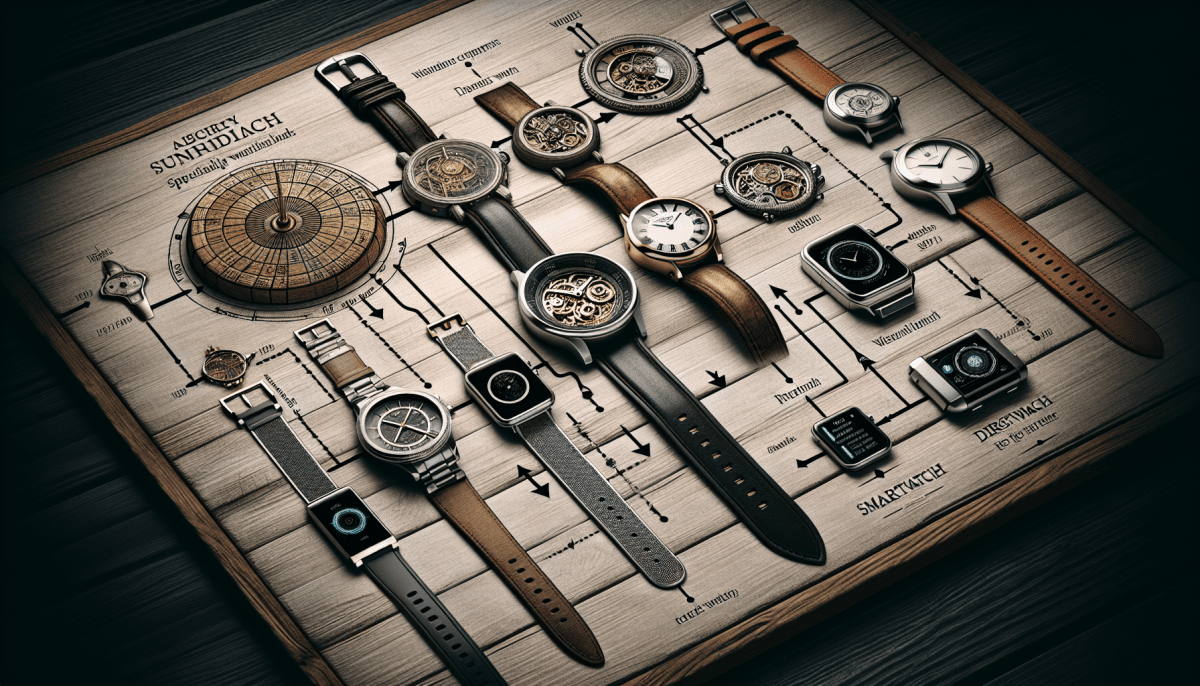
The story of timekeeping devices dates back thousands of years, long before wristwatches graced our wrists. Ancient civilizations needed a way to measure time for agriculture, religious ceremonies, and daily routines. They started with simple tools like sundials and water clocks. These early devices demonstrated man's first step towards organizing time.
As we moved into the Middle Ages, timekeeping evolved. Mechanisms became more intricate, allowing for greater accuracy. Monasteries and churches played a big role in this development, as they needed precise clocks to signal prayer times. Clocks became prominent features in towns, with large, ornate designs that not only told the time but also became a source of pride for communities.
The real game changers came in the 16th century with the invention of the spring-driven clock. This allowed clocks to be smaller and more portable. People soon started wearing timepieces around their necks, marking the transition from large tower clocks to personal devices. But it wasn’t until the 19th century that handheld watches became common.
The wristwatch, as we know it today, began its journey during World War I. Soldiers found pocket watches cumbersome, so manufacturers started producing wristwatches that could be easily checked while on the move. This practical adaptation opened the door for wider acceptance of the wristwatch beyond the battlefield.
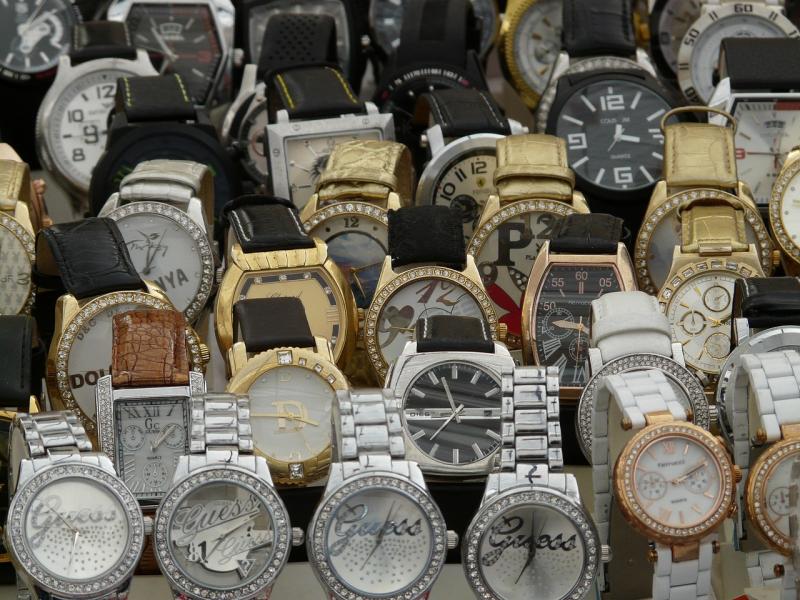
Fast forward to the 20th century, and wristwatches had become fashion statements as well as functional tools. Brands began offering a variety of styles, from sporty to elegant, suited for any occasion. As technology advanced, we saw the rise of quartz watches in the 1970s, making accurate timekeeping even more accessible to everyone. The diversity and reliability of wristwatches truly marked a significant era in the history of timekeeping.
Evolution of the Mechanical Watch
The story of the mechanical watch is one of innovation, craftsmanship, and a dash of artistry. It all started in the 16th century when timekeeping devices were predominantly large and cumbersome. The first portable watches were created, and while they were often more of a status symbol than a practical timepiece, they laid the groundwork for what was to come.
As the years went by, watchmakers began to refine their designs. The late 17th and early 18th centuries saw a surge in the popularity of pocket watches, driven by advancements in technology. These watches became more accurate thanks to innovations like the balance spring, which greatly improved their precision. This was an exciting time for horology, as skilled artisans began experimenting with intricate designs and mechanisms.
Fast forward to the early 20th century, and the wristwatch began to gain popularity, especially among soldiers in World War I. They needed a more convenient way to check the time without fumbling with their pockets. This shift made mechanical watches even more accessible and practical. Brands began to produce watches specifically designed for this new trend, leading to a variety of styles and functions.
By the mid-20th century, mechanical watches were not just tools for telling time but also fashion statements. High-quality materials and reliable movements became standards in the industry. Swiss watchmakers started to dominate the market, pushing the boundaries of design and function. What was once a straightforward timepiece transformed into a blend of technology and style, capturing the interest of collectors and enthusiasts alike.
Rise of Quartz Technology
In the 1970s, a new trend began to transform the way we tell time. Enter quartz technology. This innovative leap changed the landscape of wristwatches forever. Before quartz, most watches relied on intricate mechanical movements powered by gears and springs. While these watches had a certain charm, they often faced issues with accuracy and needed regular maintenance.
Quartz watches, on the other hand, operate using a simple yet effective battery-powered quartz crystal. This little crystal oscillates at a consistent frequency, allowing for remarkable accuracy. In fact, a quartz watch can keep time to within a few seconds a month! This newfound precision caught the attention of consumers who craved reliability in their daily lives.
The popularity of quartz watches exploded, thanks in part to their affordability and ease of mass production. Brands worldwide jumped on board, creating a vast array of styles and designs. Whether you wanted something sporty, elegant, or techy, there was a quartz watch for everyone. This era also saw the rise of digital displays, adding a modern flair to how we read time.
While some watch enthusiasts remained loyal to traditional mechanical timepieces, the quartz revolution made watches accessible to a broader audience. It made timekeeping not just a luxury, but a part of everyday life. Today, quartz technology remains a staple in the watch industry, showing just how a single innovation can change the game for generations to come.
Smartwatches Changing the Game
Smartwatches are totally changing the way we think about wristwatches. Gone are the days when a watch just told time. Now, these nifty devices do everything from tracking your heart rate to answering phone calls. Think of a smartwatch as a mini smartphone right on your wrist, making it super convenient for busy lifestyles.
One of the coolest features of smartwatches is their ability to track fitness. Whether you're jogging in the park or hitting the gym, they can monitor your steps, calories burned, and even your sleep patterns. For those looking to stay active, this is a game changer! Plus, many smartwatches sync up with your favorite apps to keep you motivated and on track.
But it’s not just about fitness. Smartwatches also keep you connected without the need to pull out your phone every few minutes. You can receive notifications for texts, calls, and even social media updates right on your wrist. It's like having a personal assistant that makes sure you never miss a beat.
Another standout feature is the customization options. Many smartwatches allow you to change watch faces and bands, letting you express your personal style while enjoying their smart features. Whether you prefer a sporty look or something sleek and professional, there’s definitely a smartwatch that’ll fit right in with your vibe.